QS 202665
Auckland
University of Auckland
New Zealand’s largest university, with programmes across arts, business, engineering, health, law, science and many other fields.
 Book a consultation
New Zealand education guide
Use this guide to understand the main types of tertiary provider, where they are located, how university rankings work and what the climate may feel like. Then confirm your choice with the official sources.
Compare universitiesExplore by location
Select a marker to view representative universities and polytechnics in that location. Use it as a starting point, then check the provider’s website for the exact campus and programme.
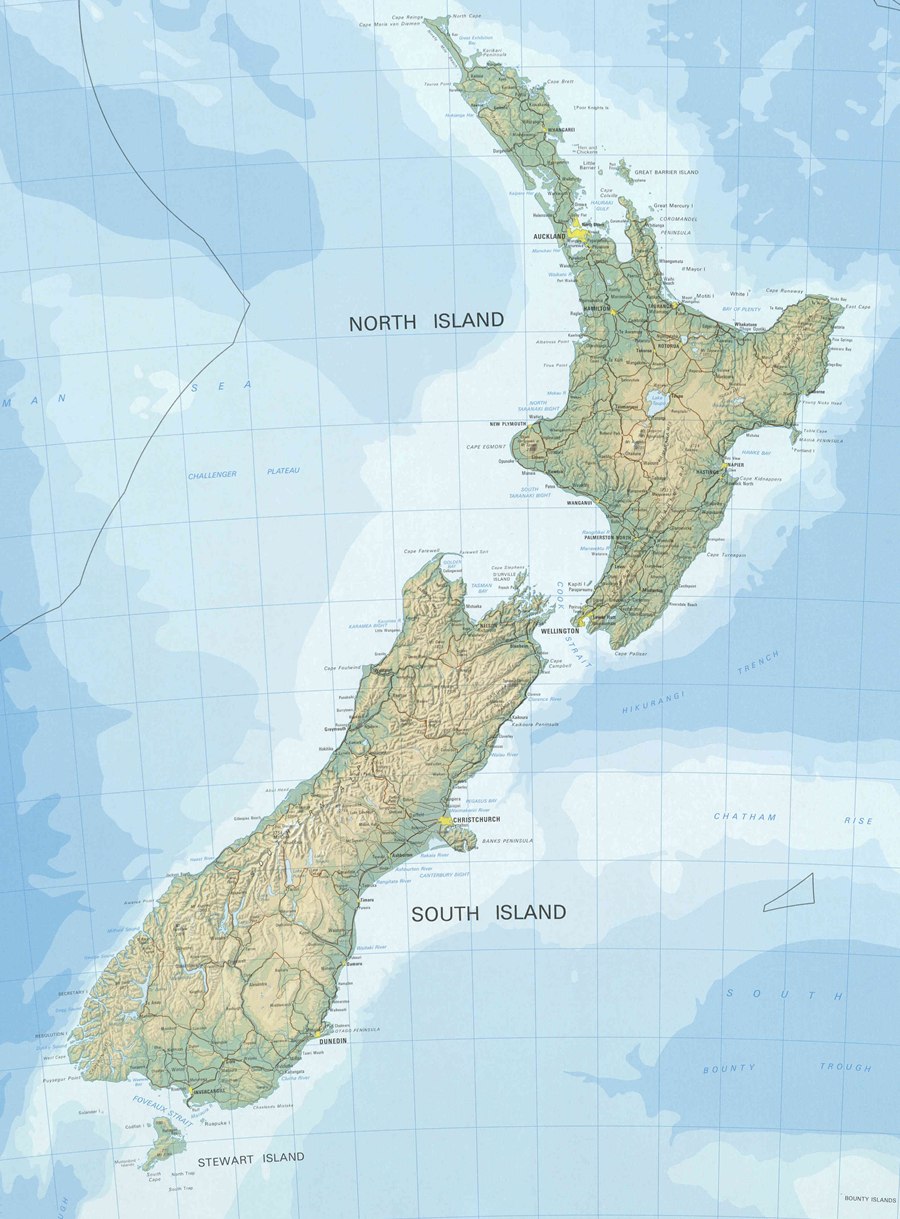
Select a gold location marker
Your research shortlist
This is a research list, not a recommendation. It remains only in this browser and is not sent to Kiwi Fern.
Location guide: Markers are approximate and the list is not a complete directory of every campus, private training establishment or programme. Delivery locations can change; confirm the exact campus with the provider before applying.
Universities
These are global institutional ranks from the QS World University Rankings 2026, published in June 2025. They are not Kiwi Fern ratings and should not be used on their own to choose a programme.
Auckland
New Zealand’s largest university, with programmes across arts, business, engineering, health, law, science and many other fields.
Dunedin
A research university in a well-known student city, offering health sciences, sciences, humanities, business and professional programmes.
Palmerston North, Auckland and Wellington
A multi-campus university with substantial distance learning and programmes including agriculture, business, design, health, science and veterinary study.
Wellington
Based in the capital, with study across humanities, law, public policy, science, business, architecture and design.
Christchurch
Offers engineering, science, business, arts, education, law and other programmes from its main Christchurch campus.
Hamilton and Tauranga
Offers programmes including business, computing, education, law, science, engineering and social sciences.
Lincoln, Canterbury
A specialist university with a strong focus on land, food, agriculture, environment, tourism and related business fields.
Auckland
A contemporary university offering applied and professional study across business, technology, design, health, communications and other fields.
Read rankings carefully
“Equal rank” means that two or more universities share that position. QS combines indicators covering research, reputation, international activity, employment outcomes and sustainability. It does not tell you whether a particular programme suits your goals. Compare the course, entry requirements, professional accreditation, fees, student support and location as well.
Read the QS 2026 results ↗Institutes of technology and polytechnics
These providers offer certificates, diplomas, applied degrees, trades training and other career-focused programmes. New Zealand’s vocational education structure changed on 1 January 2026, so always confirm the current programme owner before enrolling.
NorthTec, WITT and Whitireia/WelTec are scheduled to become standalone polytechnics on 1 January 2027. Tai Poutini Polytechnic operations are scheduled to transfer to the Open Polytechnic for management from that date. Contact the provider about any effect on a programme.
Wānanga
New Zealand has three legislated wānanga. They offer programmes from foundation study through to degree and postgraduate levels, with different specialisations and delivery locations.
Private training establishments
PTEs often focus on a particular occupation or industry. There is no responsible single ranking for all PTEs. Check the organisation’s current NZQA registration, external evaluation information, approved programmes and Code signatory status.
Search the NZQA directory ↗Locations and weather
Across New Zealand, typical daytime temperatures are about 20–25°C in summer and 12–16°C in winter, but local conditions vary sharply. The far north is warmer; inland and southern areas can fall below freezing in winter.
Climate: Warm, humid summers and mild winters. Rain is possible throughout the year.
Study options: University of Auckland, AUT, MIT and Unitec, plus many private providers.
Climate: Generally mild. Hamilton can have cool, frosty winter mornings; coastal Tauranga is usually milder.
Study options: University of Waikato, Wintec and Toi Ohomai.
Climate: Temperate and changeable, with mild summers and cool, wetter winter periods.
Study options: Massey University and UCOL.
Climate: Mild overall, but often windy and changeable. A good jacket is useful in every season.
Study options: Victoria University of Wellington, Whitireia and WelTec.
Climate: Often drier than western regions, with warm summer days and cold winter mornings. Frost is common.
Study options: University of Canterbury, Lincoln University and Ara.
Climate: Cooler than northern cities, with mild summers, cold winters and quickly changing coastal weather.
Study options: University of Otago and Otago Polytechnic.
Climate: Known for relatively high sunshine, warm summers and cool winters, though conditions vary across the region.
Study options: NMIT and other specialist providers.
Climate: Cooler southern conditions. Inland and alpine areas can have snow and freezing winter temperatures.
Study options: SIT and regional programme delivery from other institutions.
Do not plan from an average alone. New Zealand weather can change quickly. Check a long-term climate source when comparing locations and MetService shortly before travel.
Climate averages ↗Current forecasts ↗Official starting points
Check a provider’s current NZQA status, programmes and Code signatory status.
Open official source ↗Education New ZealandExplore universities, polytechnics and private training establishments.
Open official source ↗NZQASee how certificates, diplomas, degrees and postgraduate qualifications fit across Levels 1–10.
Open official source ↗NZQARead about the Code of Practice and the standards expected of providers.
Open official source ↗Ministry of EducationFollow official updates to New Zealand’s vocational education and training system.
Open official source ↗Tahatū Career NavigatorCompare occupations, qualifications and training routes.
Open official source ↗Immigration New ZealandUse the official source for current visa types, conditions and application requirements.
Open official source ↗Education New ZealandLearn more about study destinations across New Zealand.
Open official source ↗Earth Sciences New Zealand / NIWAReview long-term regional rainfall and temperature information.
Open official source ↗MetServiceUse local forecasts and severe-weather information when planning travel.
Open official source ↗Common questions
Start with the qualification and occupation you want. Universities are research-led and offer degrees through doctoral study. Polytechnics emphasise applied and vocational learning. Wānanga provide learning grounded in mātauranga Māori, and private training establishments often specialise in particular industries.
No. Overall rankings measure selected research, reputation and international indicators. Course content, professional accreditation, teaching approach, location, cost, support and graduate outcomes may matter more for your decision.
Search the provider in NZQA’s official education organisation directory and check its current Code of Practice signatory status. Confirm the specific programme directly with the provider before paying.
Listing a provider does not mean Kiwi Fern recommends it or guarantees entry, visa approval, employment or any other outcome. Provider status, programmes, fees and immigration settings can change. Check directly with the provider and the relevant New Zealand authority.
Speak with our team
Tell us what you want to study, your preferred locations and the kind of work you hope to do. We can help you organise the questions to ask each provider.